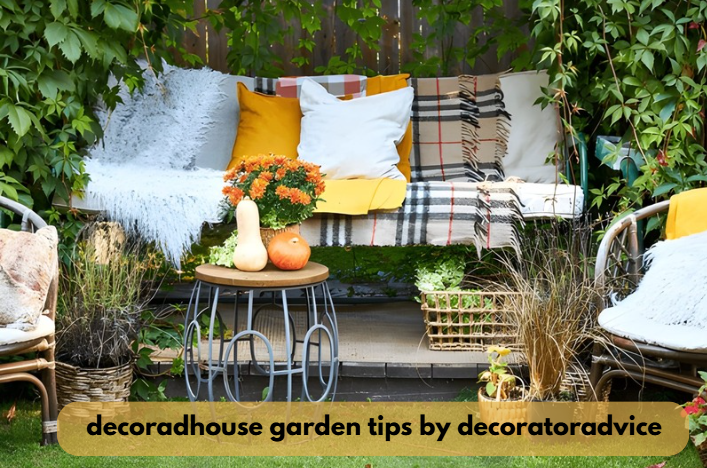
Cultivating Your Outdoor Oasis: The DecoradHouse Approach to Sustainable Gardening
Your home is a sanctuary, and the space surrounding it plays an equally vital role in creating that tranquil, stylish environment. For many homeowners, the garden isn't just an afterthought; it's an integral extension of their living space, a personal haven designed for relaxation, entertainment, or even food production. In fact, studies indicate a significant trend, with approximately 81% of Americans actively investing in renovating their gardens to achieve this very goal.
This is precisely where the expert insights from DecoratorAdvice come into play. Through their acclaimed DecoradHouse Garden Tips By Decoratoradvice, they offer a comprehensive, step-by-step methodology to transform any outdoor area into a vibrant, sustainable, and beautiful landscape that thrives year-round. Whether you're a novice gardener seeking straightforward guidance or a seasoned enthusiast hungry for fresh inspiration, DecoratorAdvice blends practical wisdom with creative flair, ensuring your garden vision confidently comes to life. From compact balconies to expansive backyards, these tips are designed to make gardening both accessible and enjoyable for everyone.
The Foundation: Smart Plant Selection for Enduring Beauty
At the heart of any successful garden lies thoughtful plant selection. DecoratorAdvice excels in demystifying this process, offering clear, practical advice that lays the groundwork for a thriving, low-maintenance garden. By making informed choices upfront, you set your garden up for sustained health and beauty.
Decoding Your Climate and Microclimates
The first rule of successful planting, according to DecoratorAdvice, is to know your local climate zone. Is your area hot and dry, cool and moist, or somewhere in between? A quick online search or a chat with staff at your local nursery can provide invaluable information. Opting for plants that naturally thrive in your region's conditions significantly reduces the effort required for them to flourish. For instance, drought-tolerant varieties are ideal for arid regions, while moisture-loving plants will flourish in more humid environments.
Beyond the general climate, consider the specific "microclimates" within your garden. A sheltered corner might be warmer than an exposed area, or a spot shaded by a fence could retain more moisture. Understanding these subtle variations allows for even more precise plant placement, ensuring each plant has the best chance to thrive.
Harnessing the Power of Sunlight
Sunlight is a plant's primary energy source, and its availability varies greatly across a garden. Pay close attention to how much direct sunlight different areas receive throughout the day. Full-sun lovers like cheerful marigolds, sunflowers, or many types of ornamental grasses need at least six hours of direct sun daily. Conversely, shade-tolerant beauties such as hostas, ferns, and impatiens will wilt in intense sun but flourish in dimmer light conditions.
Mapping out sun exposure across your garden before planting is a crucial step that will prevent future disappointments and ensure your plants are always positioned for success.
Proportional Planting: Size Matters
A well-designed garden considers the mature size of plants in relation to the available space. DecoratorAdvice emphasizes the importance of matching plant dimensions to your garden's scale. For smaller spaces, choose compact varieties like herbs, daisies, or dwarf shrubs. If you're working with a more expansive area, incorporating taller elements like trees, large shrubs, or climbing vines can add vital height, structure, and visual interest, creating depth and a sense of enclosure.
Always read plant tags to understand their mature height and spread, and remember to give them enough room to grow without overcrowding.
The Dynamic Duo: Perennials and Annuals
Combining perennials and annuals is a DecoratorAdvice secret for a garden that offers continuous interest. Perennials, like coneflowers, hostas, and many ornamental grasses, return year after year, forming the stable, foundational framework of your garden. They provide consistency and mature beauty with minimal effort once established.
Annuals, such as petunias, impatiens, and snapdragons, complete their life cycle in one season, offering an intense burst of seasonal color and allowing you to experiment with different themes and palettes each year. Used together, they create a garden that is both reliable and dynamic, ensuring there's always something new to enjoy.
Embracing Local Flora: The Native Advantage
One of the most powerful tips for sustainable gardening is to choose native plants. These species are naturally adapted to your local climate, soil conditions, and rainfall patterns, making them incredibly resilient and significantly easier to maintain. They require less water, fertilizer, and pest control compared to non-native varieties.
Beyond their low-maintenance appeal, native plants play a crucial ecological role. They provide essential food and habitat for local wildlife, including pollinators like bees and butterflies, as well as birds. By supporting your local ecosystem, you contribute to a healthier, more vibrant garden and a more sustainable environment overall.
Planting with Purpose: Beyond Aesthetics
Before you dig, consider the primary purpose of your garden. Is it purely ornamental, designed for visual appeal and relaxation? Or do you dream of a bountiful vegetable patch providing fresh produce? Perhaps a mix of both? DecoratorAdvice encourages gardeners to define their purpose upfront, as this will guide all subsequent plant choices.
For an ornamental garden, focus on diverse textures, colors, and bloom times. For a vegetable patch, research crop rotation, companion planting, and harvest cycles. A multi-purpose garden can beautifully blend edible plants with decorative ones, creating a functional yet visually stunning space.
Nurturing Your Garden for Year-Round Vibrancy
A truly sustainable garden goes beyond initial plant selection; it involves ongoing care that supports healthy growth and ecological balance throughout the seasons. DecoratorAdvice provides practical insights into maintaining a thriving outdoor space with minimal environmental impact.
Building Healthy Soil: The Unseen Hero
Often overlooked, healthy soil is the bedrock of any successful garden. It's not just dirt; it's a living ecosystem. Enriching your soil with organic matter, such as compost, improves its structure, water retention, and nutrient availability. This reduces the need for chemical fertilizers and promotes stronger, more disease-resistant plants.
Regular soil testing can inform you of any deficiencies, allowing for targeted amendments rather than a guessing game. By investing in your soil, you invest in the long-term health and productivity of your garden.
Water-Wise Gardening Practices
Water conservation is a cornerstone of sustainable gardening. DecoratorAdvice suggests several strategies:
- Mulching: Applying a layer of organic mulch (like wood chips, straw, or shredded leaves) around plants significantly reduces water evaporation, suppresses weeds, and moderates soil temperature.
- Efficient Irrigation: Consider drip irrigation or soaker hoses, which deliver water directly to the plant roots, minimizing waste. Water early in the morning to reduce evaporation.
- Rainwater Harvesting: Installing rain barrels to collect rainwater for irrigation is an excellent way to conserve municipal water and provide plants with naturally soft, chemical-free water.
Seasonal Care: A Continuous Cycle
A year-round garden requires ongoing, season-specific care. This includes:
- Spring: Preparing beds, planting annuals, pruning winter-damaged growth.
- Summer: Regular watering, deadheading spent blooms to encourage new flowers, pest monitoring, harvesting edibles.
- Autumn: Planting bulbs for spring, dividing perennials, adding compost, preparing beds for winter, and leaving some seed heads for wildlife.
- Winter: Protecting tender plants, planning for the next season, and enjoying any structural elements or evergreen interest.
Consistent, mindful care adapts to the garden's needs through its natural cycles, fostering a vibrant space regardless of the season.
Inviting Biodiversity
A truly sustainable garden is a biodiverse one. Beyond native plants, consider adding features that attract beneficial insects and wildlife. A small bird bath, a patch of wildflowers, or a "bug hotel" can transform your garden into a bustling ecosystem. These creatures help with pollination, pest control, and general ecological balance, making your garden more self-sufficient and resilient.
Beyond the Green: Designing for Style and Function
DecoratorAdvice understands that a garden is more than just plants; it's an outdoor room, an extension of your home's aesthetic. Their tips seamlessly integrate garden design with overall home decor, helping you transform your garden into a stylish haven.
Crafting Your Garden Vision
Before any major changes, DecoratorAdvice encourages developing a clear vision. Sketch out your space, considering how you intend to use it. Will it be an entertaining hub, a serene reading nook, or a productive vegetable patch? Create mood boards with inspiring images, colors, and textures. This initial planning phase ensures your garden design aligns with your lifestyle and personal style, creating a cohesive outdoor experience.
Blending Form and Function with Hardscaping
Hardscaping elements – patios, pathways, pergolas, raised beds, and decorative containers – provide structure and functionality to your garden. They define spaces, create circulation, and offer year-round visual interest even when plants are dormant. Choose materials that complement your home's architecture and withstand local weather conditions. Thoughtful hardscaping elevates your garden from a collection of plants to a fully integrated outdoor living area.
Budget-Friendly Beauty
Creating a stunning garden doesn't require an unlimited budget. DecoratorAdvice shares numerous budget-friendly ideas:
- DIY Projects: Building your own raised beds, pathways, or garden furniture.
- Repurposing: Using old tires as planters, transforming pallets into vertical gardens, or turning antique finds into unique decor.
- Plant Swaps: Exchanging cuttings or divisions with fellow gardeners.
- Growing from Seed: A cost-effective way to produce many plants.
Conclusion
Creating a beautiful, sustainable, and functional garden year-round is an achievable dream with the insightful DecoradHouse Garden Tips By Decoratoradvice. By embracing smart plant selection tailored to your environment, nurturing healthy soil, practicing water conservation, and designing with both style and purpose, you can cultivate an outdoor space that not only thrives but also enhances your quality of life. Whether your garden is a sprawling estate or a cozy balcony, these expert techniques provide the roadmap to turn your outdoor vision into a vibrant, stylish, and enduring haven for years to come.